

Your GLP-1 weight loss guide
Learn about GLP-1 drugs, what they are, how they work, the benefits of a GLP-1 treatment and more.
-
 More energy
-
Less cravings
-
Significant weight loss
-
Improved organ functions
-
More energy
-
Less cravings
-
Significant weight loss
-
Improved organ functions
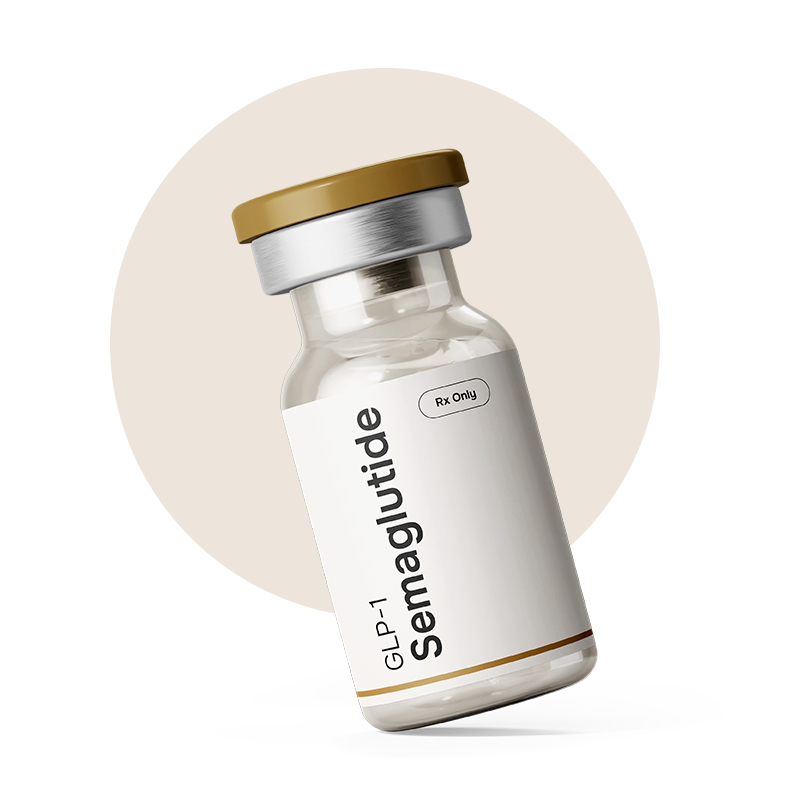
What is a GLP-1 medication?
GLP-1 stands for Glucagon-Like Peptide-1, a hormone naturally made in your body that helps regulate blood sugar levels. GLP-1 drugs are medications that mimic this hormone to improve blood sugar control, manage weight, and support metabolic health.
These medications are commonly used to treat Type 2 diabetes and obesity.
How do GLP-1 medication works?
Getting to know GLP-1's
GLP-1 drugs, also known as glucagon-like peptide-1 receptor agonists, work by mimicking a natural hormone in the body that regulates appetite, blood sugar, and digestion. They help people feel fuller for longer, reduce food cravings, and slow down how quickly food leaves the stomach, leading to reduced calorie intake and weight loss.
Appetite Regulation:
GLP-1 drugs bind to receptors in the brain, particularly in the hypothalamus, which plays a key role in controlling appetite and food intake. This interaction helps reduce the feeling of hunger and increase the sensation of fullness, leading to decreased food consumption.
Slowing Digestion:
GLP-1 also affects the digestive system by slowing down the rate at which food moves through the stomach (gastric emptying). This prolonged digestion contributes to a sustained feeling of fullness and can further reduce the urge to eat.
Blood Sugar Control:
In individuals with type 2 diabetes, GLP-1 drugs also improve blood sugar levels. They stimulate insulin release when blood sugar is high and prevent the liver from releasing excess glucose into the bloodstream. This dual action helps regulate blood sugar levels and reduce the risk of complications associated with diabetes.
Weight Loss:
By reducing appetite and slowing digestion, GLP-1 drugs help individuals consume fewer calories, leading to weight loss. This effect is particularly noticeable in those with obesity or overweight, where the medications are often prescribed for weight management.
GLP-1 receptor agonists work by:
– Slowing stomach emptying, which helps you feel full longer
– Reducing appetite and calorie intake
– Increasing insulin secretion (only when blood sugar is high)
– Suppressing glucagon, a hormone that raises blood sugar
These combined effects help reduce blood sugar and support weight loss.
Other Benefits:
Research suggests that GLP-1 agonists may offer additional benefits beyond weight loss and blood sugar control, such as reducing the risk of heart disease and kidney disease.
In summary, GLP-1 drugs work by mimicking a natural hormone that regulates appetite and blood sugar, leading to reduced food intake, improved blood sugar control, and potential weight loss
What to expect from the treatment
Meaningful, sustained weight loss:
Weight loss with GLP-1 treatment is gradual and happens under the supervision of our clinical team. Results vary by individual, and your provider reviews your full health history to help determine what is realistic for you.
Reduced “food noise.”:
Many patients report one of the most life-changing effects is quieting the constant mental preoccupation with food — the nagging urge to eat even when not hungry. This makes it easier to build sustainable habits rather than relying on willpower alone.
Results vary by individual. Our clinical team will review your full health history to help determine whether GLP-1 treatment is right for you.
Nutritional tips
GLP-1 medications are powerful — but they work best when paired with intentional eating. Because the medication slows digestion and significantly reduces appetite, what you eat matters even more than how much you eat. Every calorie needs to deliver in terms of protein, fibre, and nutrients.
Make protein your top priority.
Rapid weight loss can cause the body to break down muscle along with fat. Protecting your muscle mass keeps your metabolism strong and your results lasting. For muscle preservation during weight loss, aim for 1.2 to 1.6 grams of protein per kilogram of body weight daily. Good sources include eggs, Greek yogurt, cottage cheese, chicken, fish, tofu, and legumes. If solid food is hard to manage during the early weeks, a high-quality protein shake (20+ grams of protein, low sugar) is a practical alternative.
Eat smaller, more frequent meals:
Rather than two or three big meals, consider three smaller meals supplemented with healthy snacks throughout the day — ideally something balanced each time, with a protein, a fruit or vegetable, and a whole grain. Large meals can worsen nausea and create unnecessary discomfort when your stomach is already emptying more slowly than usual.
Don't skip fiber — but ease into it:
Fiber is important for satiety and for managing the constipation that often accompanies GLP-1 use. Women should aim for at least 25 grams daily, men for 35 grams, from a mix of soluble and insoluble sources — and adequate hydration is key to making this work. Start with gentler sources like oatmeal, cooked vegetables, and bananas before working up to raw vegetables and beans.
Stay well hydrated:
Reduced appetite often means reduced fluid intake too, which compounds GI side effects. Aim for 2–3 liters of water daily. Sip throughout the day rather than drinking large amounts at once.
Avoid common GI triggers:
High-fat or greasy foods, fried foods, and ultra-processed foods high in added sugar are common triggers for nausea and GI discomfort— especially in the early weeks of treatment. Bland, easy-to-digest foods like rice, eggs, plain yogurt, soups, and bananas tend to be well tolerated.
Pair your treatment with movement:
Strength training 2–3 times per week targeting all major muscle groups, combined with adequate protein, is essential to preserving lean muscle mass during weight loss. You don't need to start at the gym — bodyweight exercises, resistance bands, and light walking all count. Build the habit early, and your body will be stronger throughout the process and beyond.
Side effects
A note on dose escalation
GLP-1s are titrated — the dose is increased slowly over time and only when the medication is well tolerated. This approach significantly reduces the severity and duration of side effects. There is no benefit to rushing to a higher dose. Our clinical team will always prioritize your comfort and adjust your plan as needed.
Common side-effects
Most side effects associated with GLP-1 medications are gastrointestinal in nature, tend to appear when starting treatment or increasing the dose, and typically ease as your body adjusts.
Nausea
This is the most frequently reported side effect. It occurs in 15–50% of treated patients and is most noticeable during dose escalation. For the majority of patients it is mild and temporary. Eating smaller portions, choosing bland low-fat foods, eating slowly, and staying upright after meals all help manage it. Ginger tea, ginger chews, and crackers are commonly used natural remedies.
Constipation
It affects a meaningful number of patients, particularly at higher doses. Focusing on fiber — with a goal of 25g per day for women and 38g per day for men — combined with generous hydration and gentle physical activity, is the first-line approach. A fiber supplement like Metamucil or Benefiber can help if dietary sources aren't enough.
Diarrhea
Less common than constipation but does occur, particularly with higher doses of semaglutide and tirzepatide. Staying hydrated and eating bland foods until it resolves is typically sufficient.
Fatigue
Fatigue can occur in the early weeks, often tied to eating significantly less than usual. Prioritizing protein and not letting calorie intake drop too low are the main defenses. Injection site reactions — mild redness, swelling, or tenderness at the injection site — are occasional. Rotating your injection site each week and following proper technique minimizes these.
Rare but serious side effects
To be aware of, include pancreatitis (severe, persistent abdominal pain), gallbladder issues, and — in individuals with a personal or family history of certain thyroid cancers — a possible increase in thyroid risk. Anyone who experiences severe or persistent symptoms should contact their healthcare provider right away.
Safety & quality
Compounded medications, clinically supervised
The GLP-1 medications we administer are compounded semaglutide and tirzepatide, prepared for each patient at a US 503A registered compounding pharmacy. Compounded medications are not FDA-approved. Every patient goes through our intake and qualification process before treatment begins, and our clinical team monitors your progress at every weekly visit.
Who qualifies
Eligibility is determined by a licensed medical provider during your evaluation. Our intake form helps us assess whether treatment is appropriate based on your full health picture
Ongoing monitoring is part of the treatment
GLP-1 therapy is not a one-time prescription — it is a clinically managed program. Your weekly in-office visits allow us to track your response, adjust your dose, manage any side effects early, and support you with nutrition and lifestyle guidance throughout. This level of supervision is what separates a safe, effective experience from one that isn’t.
Long-term approach
The sustainability of outcomes often depends on continued treatment — reinforcing the view of obesity as a chronic condition that benefits from long-term management. We work with you to build the habits — nutrition, movement, and mindset — that make your results last, whether you remain on medication long-term or transition off over time.
Frequently asked questions
How do I know if I qualify?
Fill out our short intake form and our clinical team will review your information.
In general, you may qualify if your BMI is 30 or above, or 27 or above with a weight-related health condition.
Medical history, current medications, and other individual factors are also considered.
How quickly will I see results?
Most patients begin to notice a reduction in appetite within the first 1–2 weeks. Visible weight loss typically follows within the first month.
Results vary based on starting weight, dosage, and how consistently nutrition and lifestyle habits are followed alongside treatment.
Is it safe during pregnancy?
GLP-1 medications are not recommended during pregnancy or breastfeeding.
Do I have to inject myself?
Not necessarily.
All injections are administered by our clinical staff at your weekly in-office appointment. You don’t need to learn to self-inject — that’s one of the core advantages of our in-clinic model.
If you have experience self-injecting and feel more comfortable doing so, you can self-inject at the privacy of your home by purchasing a monthly supply (vial, available only if prescription is approved)
Will I lose muscle, not just fat?
Muscle loss is a real risk with rapid weight loss on any protocol, but it is largely preventable.
Prioritizing protein intake and incorporating strength training throughout your treatment are the two most effective defenses.
Our team will guide you on both from day one.
What happens if I experience side effects?
Most side effects are mild and temporary. If you experience nausea, constipation, or fatigue, there are practical dietary and lifestyle strategies that help significantly.
Because you visit us weekly, our team can catch and address side effects early — adjusting your dose or providing additional support before they become a barrier to continuing treatment.
How long will I need to be on the medication?
This varies by patient and goals. Some patients stay on a maintenance dose long-term; others work toward safely tapering off once weight and health goals are achieved.
We discuss long-term planning with every patient as part of the ongoing treatment relationship.
Can I drink alcohol while on a GLP-1?
Many patients notice a reduced tolerance for alcohol while on GLP-1 medications — even small amounts may worsen nausea, reflux, and dehydration.
Limiting or avoiding alcohol is advisable, particularly during the early weeks of treatment or after a dose increase.
Will I regain weight if I stop?
Weight regain is possible if no sustainable habits are built during treatment.
This is exactly why we emphasize nutrition and movement from the very beginning — patients who build strong habits during treatment are far better positioned to maintain their results over time, with or without medication.
Your description goes here. Edit or remove this text inline or in the description settings
Can I stop if I reach my goal weight?
Only stop or change treatment under medical supervision. Stopping suddenly may lead to weight regain or rising blood sugar.
Who is not able to get GLP-1 Injections?
- History of Medullary Thyroid Carcinoma (MTC) – personal or family history.
- Multiple Endocrine Neoplasia Syndrome Type 2 (MEN 2).
- Pregnancy or planning to become pregnant – discontinue at least 1–2 months before conception.
- Breastfeeding – safety not established.
- Severe gastrointestinal disease, especially gastroparesis.
- History of pancreatitis.
- Severe renal impairment (eGFR < 15).
- Severe liver disease – limited safety data.
- Active eating disorders (e.g., anorexia, bulimia).
- Known hypersensitivity to GLP-1 medications or components.